

Looking for reliable Custom Porcelain Dinnerware Suppliers for your brand, retail business, or hospitality project? This guide explains the key factors buyers should consider, including material selection, OEM/ODM capabilities, quality control, MOQ, lead time, and cost optimization. Discover how Chaozhou’s leading ceramic manufacturers help global buyers develop high-quality custom porcelain tableware with stable production and professional export services.
Why Custom Porcelain Dinnerware Is Growing Rapidly Worldwide
As global consumers pay more attention to dining aesthetics, lifestyle branding, and product personalization, Custom Porcelain Dinnerware has become increasingly important for restaurants, retailers, homeware brands, and e-commerce sellers.
Compared with standard tableware, customized porcelain dinnerware helps businesses:
- Build stronger brand identity
- Improve product differentiation
- Increase perceived product value
- Adapt to different market preferences
- Develop exclusive collections for specific customer groups
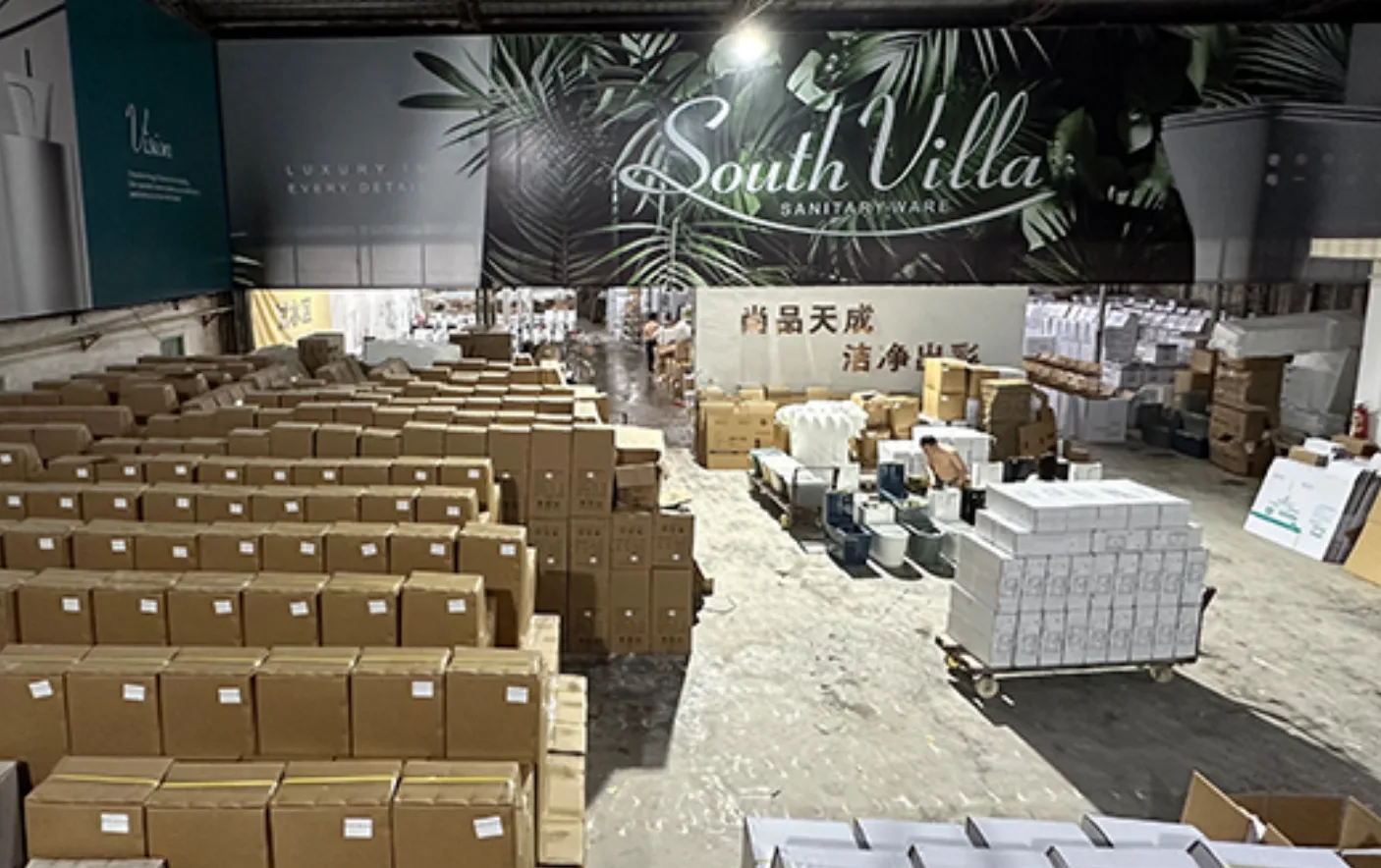
Today, China remains one of the world’s largest ceramic manufacturing hubs, and Chaozhou is especially recognized for its mature ceramic supply chain, experienced craftsmanship, and strong OEM/ODM capabilities.
Through Link Ceramics, global buyers can connect directly with trusted Chaozhou ceramic manufacturers and access one-stop Custom Porcelain Dinnerware solutions, including product development, sampling, quality control, and worldwide logistics support.
Define Your Product Positioning Before Starting Custom Porcelain Dinnerware Projects
Before developing Custom Porcelain Dinnerware, buyers should clearly understand:
- Who the target customers are
- Where the products will be used
- What style fits the market
- What budget range is acceptable
Different application scenarios directly influence the material, glaze, thickness, durability, and production process.
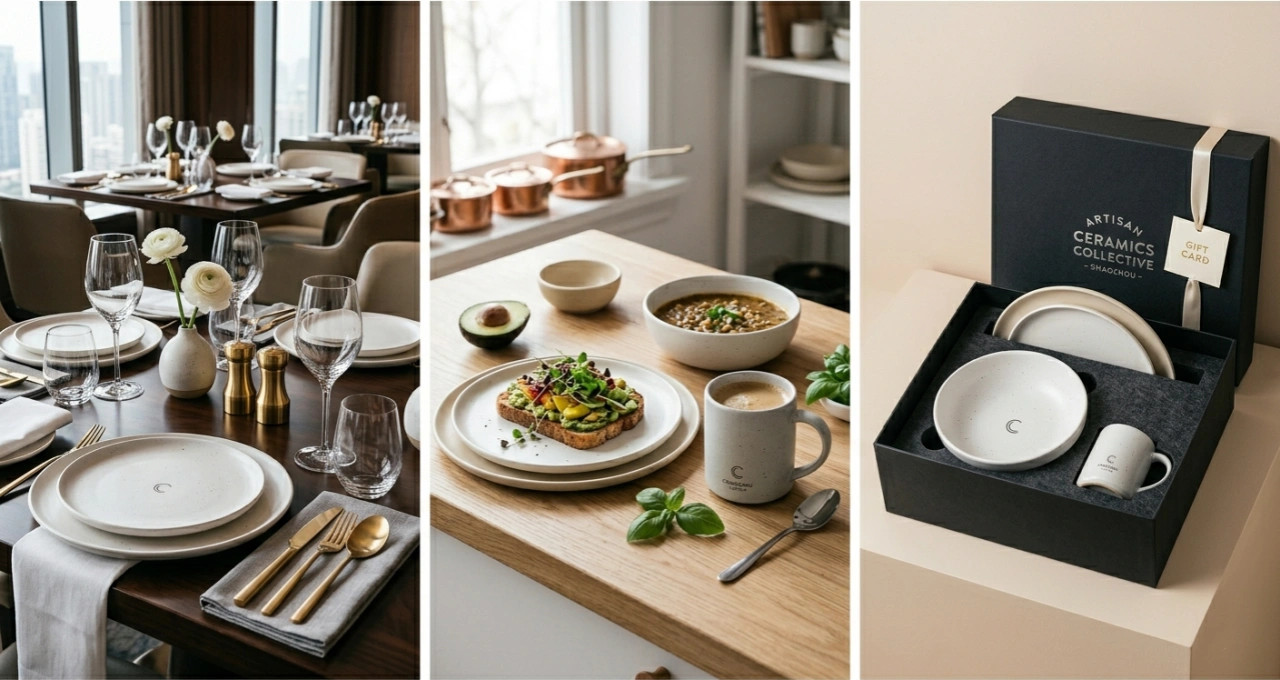
Hospitality and HORECA Market
Hotels, restaurants, and catering groups usually focus on:
- Durability
- Chip resistance
- Long-term supply stability
- Dishwasher safety
- Microwave resistance
Common choices include:
- Porcelain
- Strengthened porcelain
- Stoneware
Retail and E-Commerce Market
Retail buyers often prioritize:
- Attractive designs
- Rich color options
- Packaging presentation
- Social media appeal
Popular styles include:
- Matte glaze
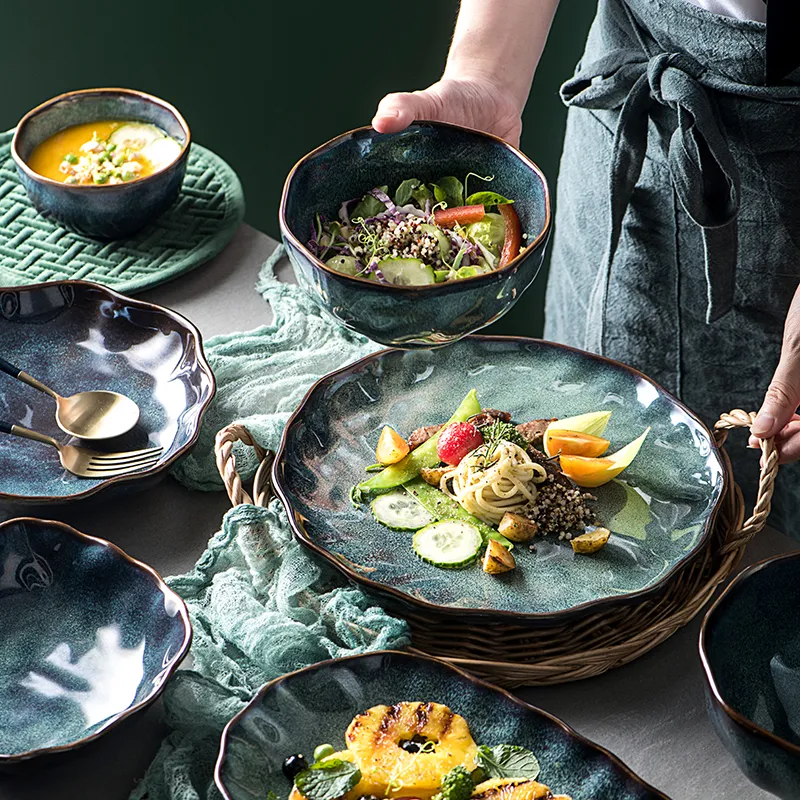
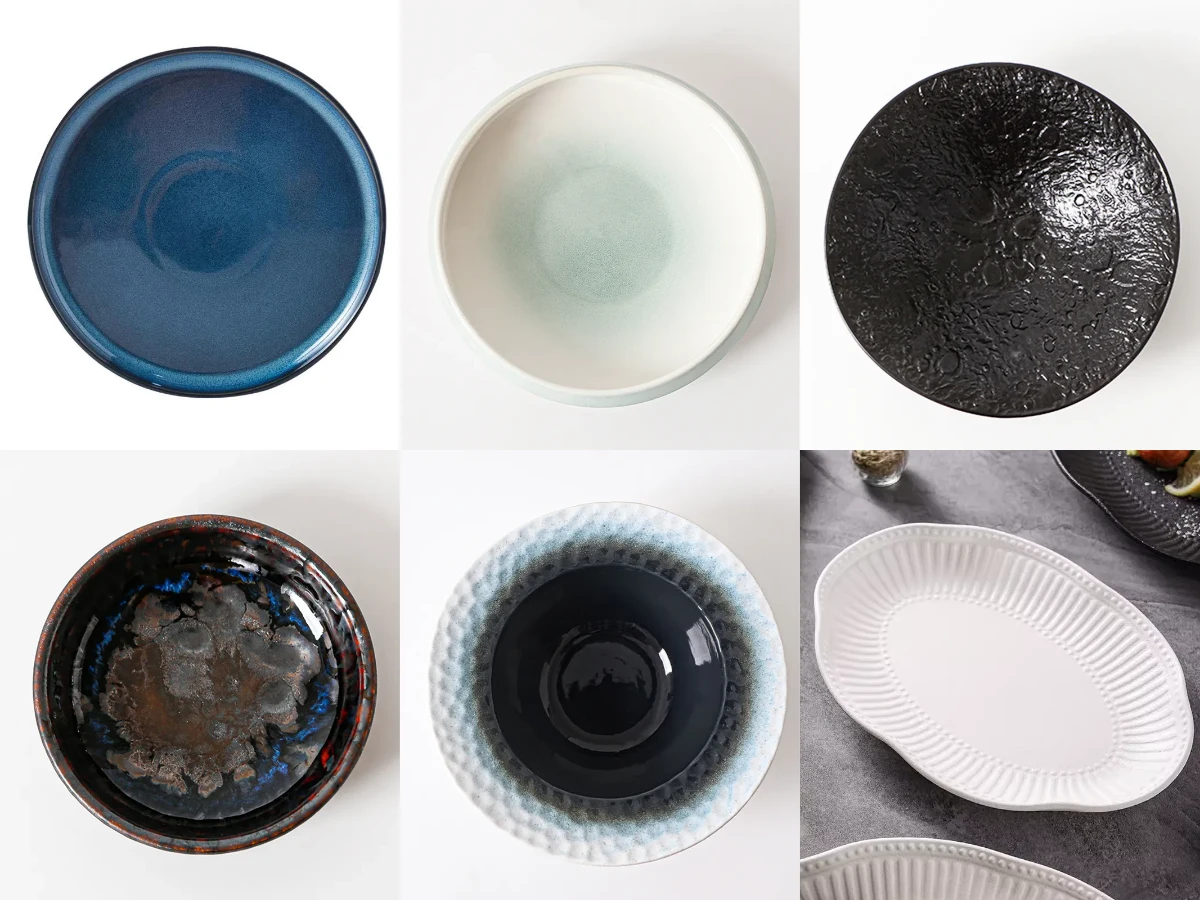
- Reactive glaze
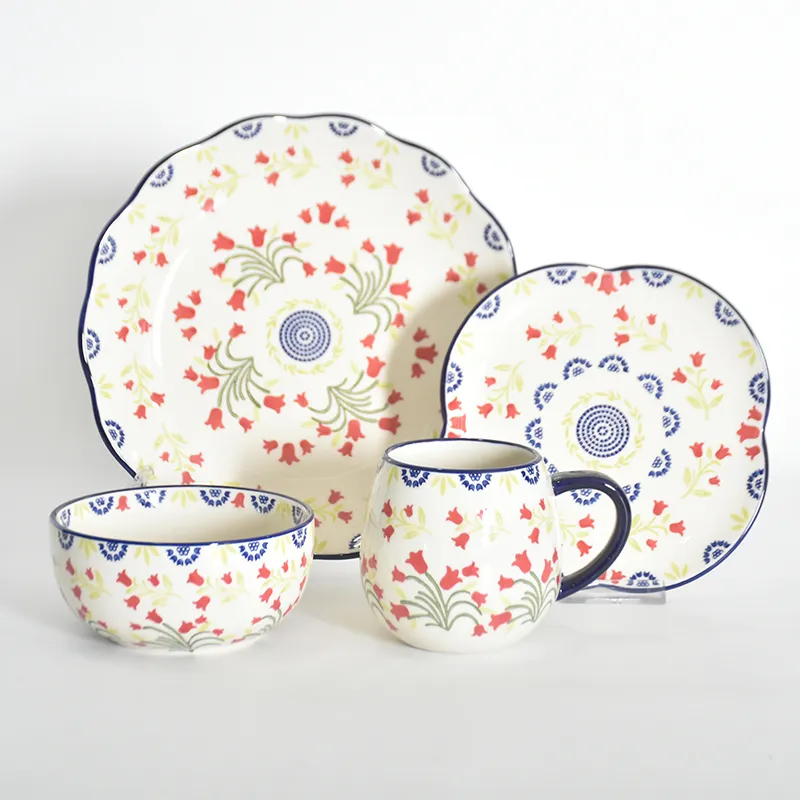
- Decal printing
- Color glaze
Gift and Branding Projects
Gift companies and lifestyle brands usually prefer:
- Exclusive shapes
- Logo customization
- Luxury gift box packaging
- Seasonal collections
This is where experienced ODM suppliers become especially valuable.
Production Techniques Directly Affect Cost and Stability
Different ceramic production techniques significantly affect the final price, defect rate, and lead time of Custom Porcelain Dinnerware projects.
Common Glaze and Decoration Options
| Technique | Production Yield | Advantages | Challenges |
|---|---|---|---|
| White/Solid Glaze | 95%–98% | Stable and cost-effective | Traditional appearance |
| Matte Glaze | 90%–95% | Premium texture | More scratch-sensitive |
| Reactive Glaze | 80%–90% | Unique artistic effect | Harder color consistency |
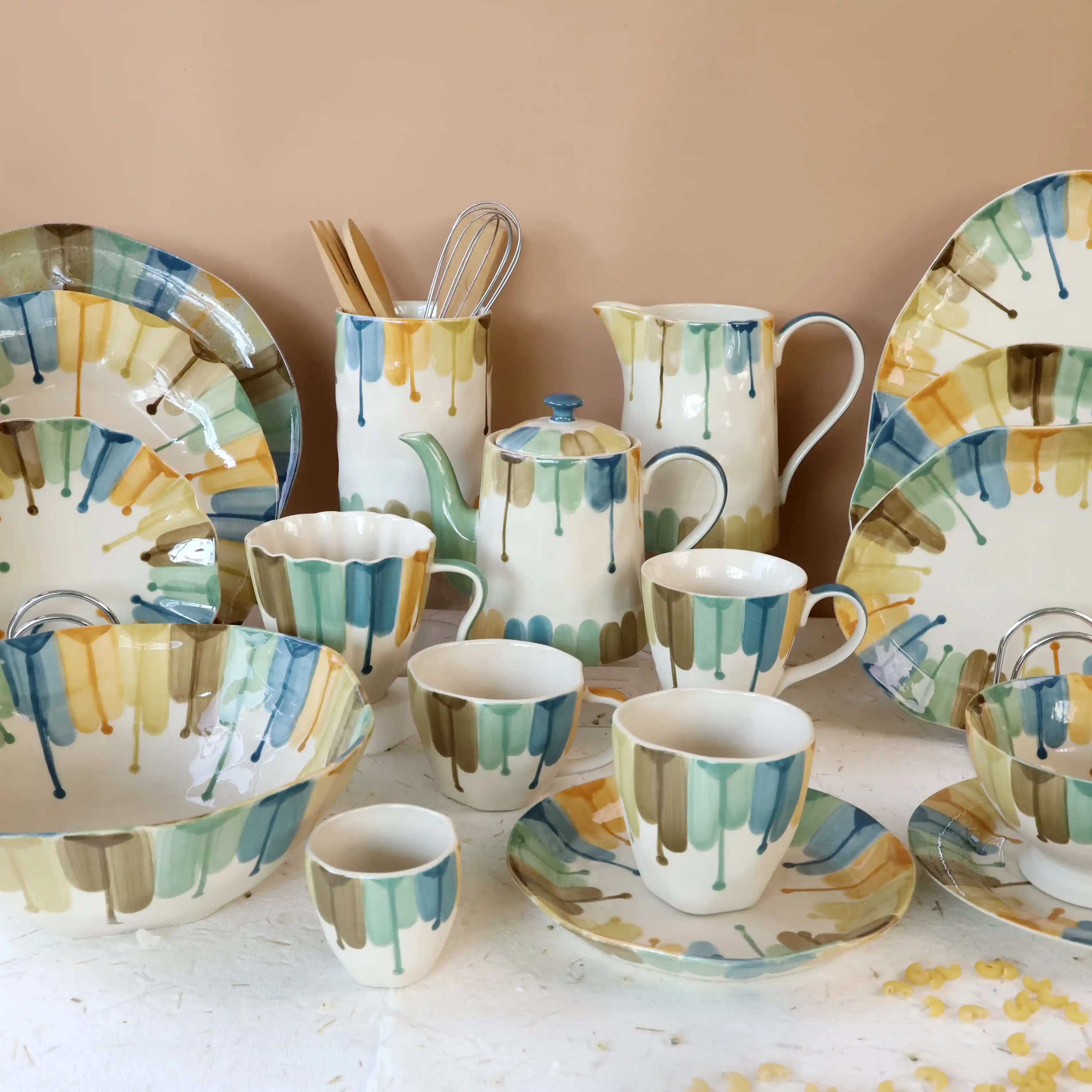
| Hand-painted | 75%–85% | Strong artistic value | Higher labor cost |
Why Do Special Glazes Increase Costs?
Special glazes require:
- More precise kiln temperature control
- Additional quality inspections
- Higher labor involvement
- Lower mass-production consistency
For example, reactive glaze creates unique visual effects, but every batch may look slightly different due to kiln temperature variation.
According to research published by Ceramics International, firing temperature stability and glaze composition are among the key factors affecting ceramic consistency and quality.
How to Evaluate OEM and ODM Capabilities
For global buyers, choosing the right Custom Porcelain Dinnerware supplier is about much more than price.
A reliable manufacturing partner should provide:
- Stable production capacity
- Professional product development
- Fast sampling
- Strict quality control
- Export experience
OEM Manufacturing
OEM is suitable for buyers who already have:
- Existing product designs
- Brand guidelines
- Packaging artwork
- Clear technical specifications
ODM Manufacturing
ODM is ideal for:
- New brands
- E-commerce sellers
- Gift companies
- Buyers needing fast product development
Through Link Ceramics, buyers can access both OEM and ODM ceramic manufacturers in Chaozhou.
Key Factory Evaluation Points
Mold Development Capability
- Standard molds: 7–15 days
- Complex molds: 20–30 days
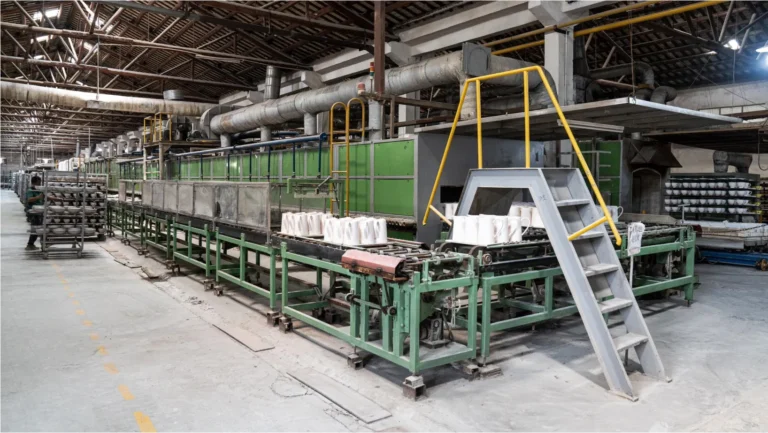
Automation Equipment
Advanced factories often use:
- Automatic glazing systems
- Roller forming machines
- Smart tunnel kilns
- Automated packaging lines
Fast Sampling Support
Experienced suppliers can usually provide:
- Basic samples within 3–7 days
- Complex development within 15–25 days
Design Consistency Is Critical for Brand Success
Consumers are not only buying plates and bowls — they are buying a lifestyle experience.
A successful Custom Porcelain Dinnerware collection should maintain consistency in:
- Shape
- Color
- Surface texture
- Packaging
- Brand identity
Popular Design Trends
Scandinavian Minimalism
Features:
- Neutral colors
- Matte finishes
- Clean round shapes
Japanese Wabi-Sabi Style
Features:
- Natural textures
- Handmade appearance
- Organic irregular shapes
American Restaurant Style
Features:
- Thick and durable structures
- Stackable designs
- Classic white porcelain
Pros and Cons of Custom Porcelain Dinnerware
Pros
- Stronger Brand Identity: Customized products help brands stand out in competitive markets.
- Higher Product Value: Exclusive designs often support better profit margins.
- Better Market Adaptation: Brands can customize products for different regions and customer preferences.
- Long-Term Supply Stability: Reliable OEM/ODM systems support continuous product development.
Cons
- Higher Initial Investment: Mold development and sampling increase upfront costs.
- Longer Development Cycle: Complete projects may take 60–90 days.
- Higher Defect Risk for Complex Designs: Special glazes and handmade finishes require stricter QC.
- Greater Supply Chain Management Requirements: Projects need close coordination between factories, packaging suppliers, and logistics teams.
Quality Control Is the Core of Custom Porcelain Dinnerware Projects
Strict quality control is essential for reducing return rates and protecting brand reputation.
Important QC Standards
| Inspection Item | Common Standard |
|---|---|
| Water Absorption | ≤ 0.5% |
| Flatness | ≤ 1.0 mm |
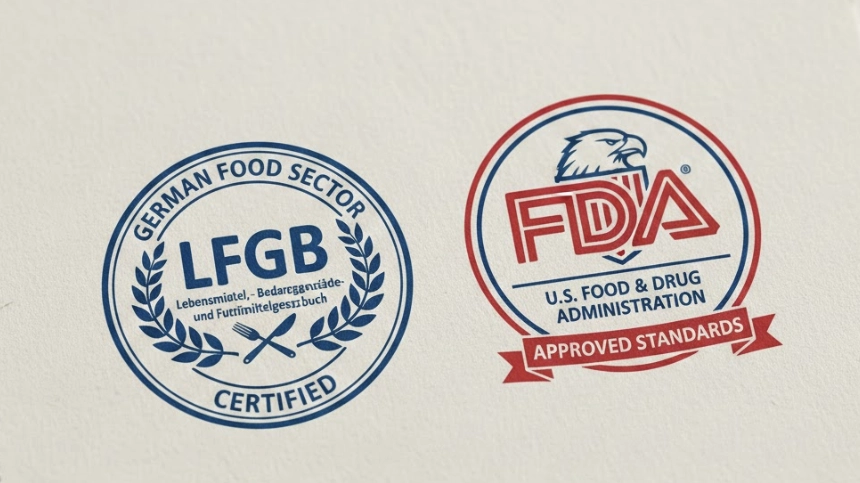
| Lead & Cadmium Release | FDA/LFGB compliant |
| Breakage Rate | ≤ 0.1% |
| Color Difference | ΔE < 1.0 |
Why Food Safety Certification Matters
Ceramic dinnerware exported to Europe and North America must comply with food contact regulations.
According to the U.S. Food and Drug Administration (FDA) and European Commission Food Contact Materials, ceramic tableware products must strictly control lead and cadmium migration.
Professional Custom Porcelain Dinnerware manufacturers usually provide:
- FDA reports
- LFGB reports
- CA65 testing
- Third-party laboratory certifications
MOQ, Lead Time, and Cost Optimization Tips
Typical MOQ Reference
| Product Type | Common MOQ |
|---|---|
| Standard White Glaze | 1000–2000 pcs |
| Decal Decoration | 2000–3000 pcs |
| Reactive Glaze | 3000–5000 pcs |
Typical Lead Time
| Process | Estimated Time |
|---|---|
| Mold Development | 7–20 days |
| Sampling | 5–10 days |
| Mass Production | 35–55 days |
| Inspection & Packaging | 3–7 days |
How to Reduce Procurement Costs
Use Existing Molds
This can save USD 500–2000 in tooling costs.
Choose Stable Glaze Options
Standard glazes usually reduce production defects.
Use Mixed Container Orders
This lowers MOQ pressure for multiple SKUs.
Optimize Packaging Design
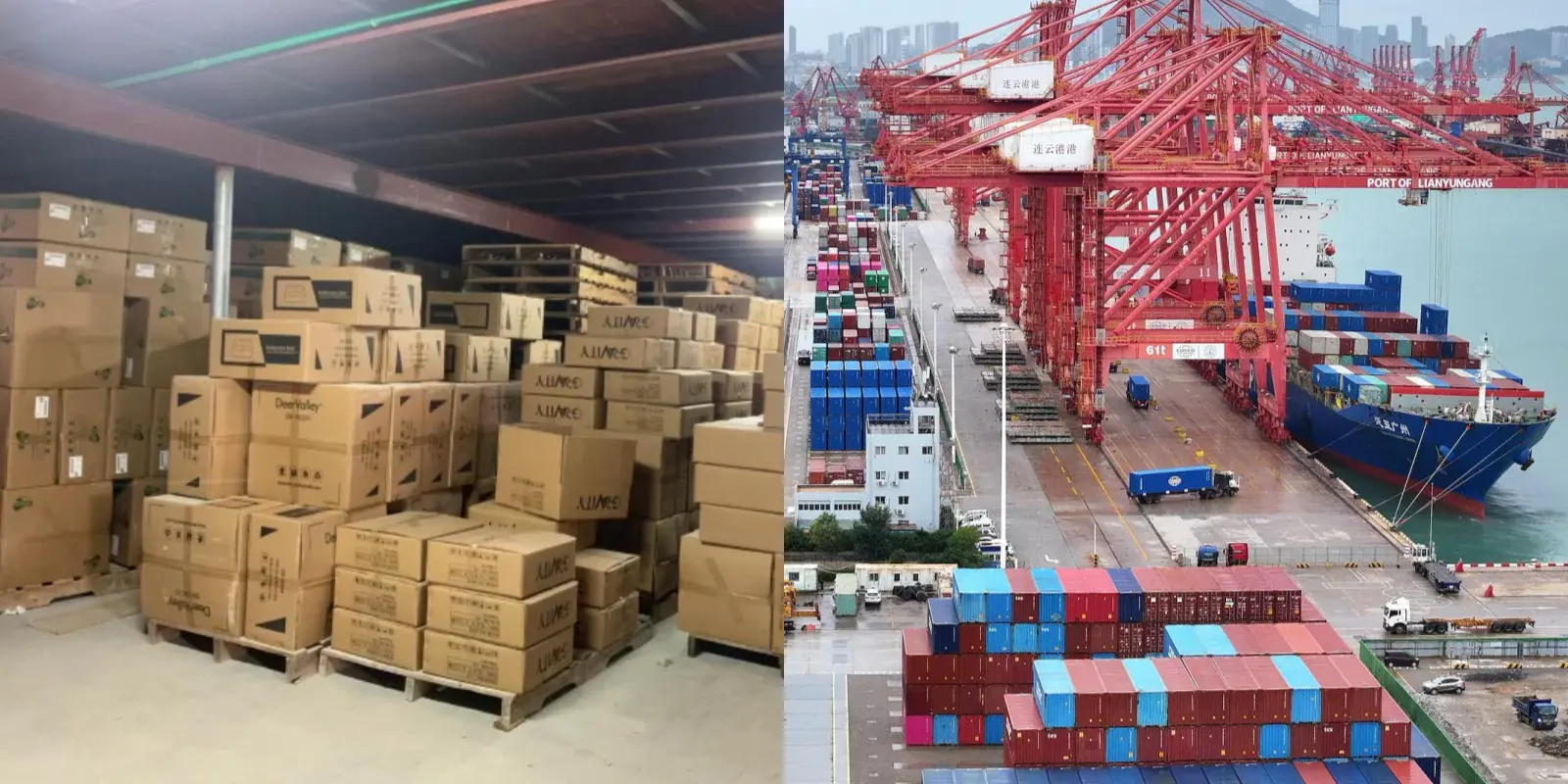
Efficient packaging improves loading capacity and reduces shipping costs.
Why More Global Buyers Choose Chaozhou Ceramic Manufacturers
Chaozhou is one of China’s most important ceramic manufacturing regions, offering:
- Complete ceramic supply chains
- Rich production experience
- Advanced ceramic craftsmanship
- Flexible OEM/ODM services
- Strong export capabilities
Through Link Ceramics, international buyers can efficiently connect with high-quality Chaozhou ceramic suppliers and access professional Custom Porcelain Dinnerware solutions, including:
- Product development
- OEM/ODM manufacturing
- Fast quotation
- Strict quality inspection
- Global logistics support
Conclusion
Developing successful Custom Porcelain Dinnerware products requires much more than attractive designs. Buyers must carefully evaluate production capability, material selection, quality control systems, MOQ requirements, and delivery timelines.
Working with experienced Chaozhou ceramic manufacturers can significantly reduce project risks while improving product consistency and market competitiveness.
With the support of Link Ceramics, global buyers can efficiently source reliable ceramic suppliers and build customized porcelain dinnerware collections that meet modern market demands.




FAQ
1. Does Custom Porcelain Dinnerware always require new molds?
No. If buyers select existing factory shapes and only customize colors, logos, or packaging, mold costs can often be avoided.
2. Are reactive glazes difficult to control in mass production?
Yes. Reactive glazes require precise kiln temperature control and experienced production teams to maintain acceptable consistency.
3. How can breakage during shipping be reduced?
Professional factories usually use:
- Double-wall cartons
- Pearl cotton protection
- Molded pulp trays
- Drop-test packaging solutions
These methods can reduce breakage rates to below 0.1%.
4. Which industries commonly use Custom Porcelain Dinnerware?
Typical industries include:
- Hospitality
- Restaurants
- Retail chains
- E-commerce
- Homeware brands
- Gift companies
5. Why is Chaozhou important in the global ceramic industry?
Chaozhou has a highly mature ceramic manufacturing ecosystem with strong OEM/ODM experience, making it one of the world’s key sourcing regions for ceramic products.