

Auf der Suche nach einem zuverlässigen Händler für Keramik? In diesem Leitfaden wird erläutert, wie Sie die Produktionskapazitäten, Zertifizierungen, Qualitätskontrolle, Anpassungsmöglichkeiten und die Stabilität der Lieferkette bewerten können. Ganz gleich, ob Sie Beschaffung von Geschirr oder Sanitärartikel, erfahren Sie, wie Sie den richtigen langfristigen Produktionspartner auswählen.
Leitfaden für Keramiklieferanten: So wählen Sie einen hochwertigen Partner aus
Für internationale Importeure, Marken, Großhändler und Einzelhandelsketten ist es wichtig, einen Händler für Keramik Eine langfristige Partnerschaft einzugehen ist oft wichtiger, als einfach nur den niedrigsten Preis zu finden. Ein hervorragender Lieferant liefert nicht nur eine gleichbleibende Produktqualität, sondern hilft seinen Kunden auch dabei, Beschaffungsrisiken zu reduzieren, Lieferzeiten zu verkürzen und kontinuierlich Produktinnovationen voranzutreiben.
Angesichts der Tausenden von Keramikfabriken in China stellt sich jedoch die Frage: Wie lässt sich feststellen, mit welcher davon eine Zusammenarbeit wirklich lohnenswert ist? In diesem Artikel wird erläutert, wie man einen hochwertigen Händler für Keramik durch die Bewertung von Faktoren wie Fertigungskapazitäten, Qualitätsmanagement, Zuverlässigkeit der Lieferkette und Zertifizierungssysteme, um Ihnen dabei zu helfen, eine stabile, langfristige Beschaffungspartnerschaft aufzubauen.
Warum ist die Wahl des richtigen Keramiklieferanten so wichtig?
Viele Einkäufer legen bei ihrer ersten Beschaffung vor allem Wert auf den Preis. In Wirklichkeit sind es jedoch folgende Faktoren, die die Beschaffungskosten wirklich beeinflussen:
- Produktkonsistenz
- Lieferzuverlässigkeit
- Kundendienst
- Fähigkeiten im Bereich der Qualitätskontrolle
- Kommunikationseffizienz
- Der Wert einer langfristigen Partnerschaft
Ein Fachmann Händler für Keramik kann Kunden helfen:
- Qualitätsbezogene Reklamationen reduzieren
- Geringere Rücklaufquoten
- Die Wettbewerbsfähigkeit auf dem Markt steigern
- Für eine termingerechte Markteinführung der Produkte sorgen
- Kontinuierliche OEM-/ODM-Unterstützung bieten
Bei der Auswahl eines Lieferanten geht es daher im Wesentlichen darum, die Stabilität Ihrer Lieferkette für die kommenden Jahre zu sichern.

1. Prüfen Sie, ob der Lieferant über ausgereifte Fertigungskapazitäten verfügt
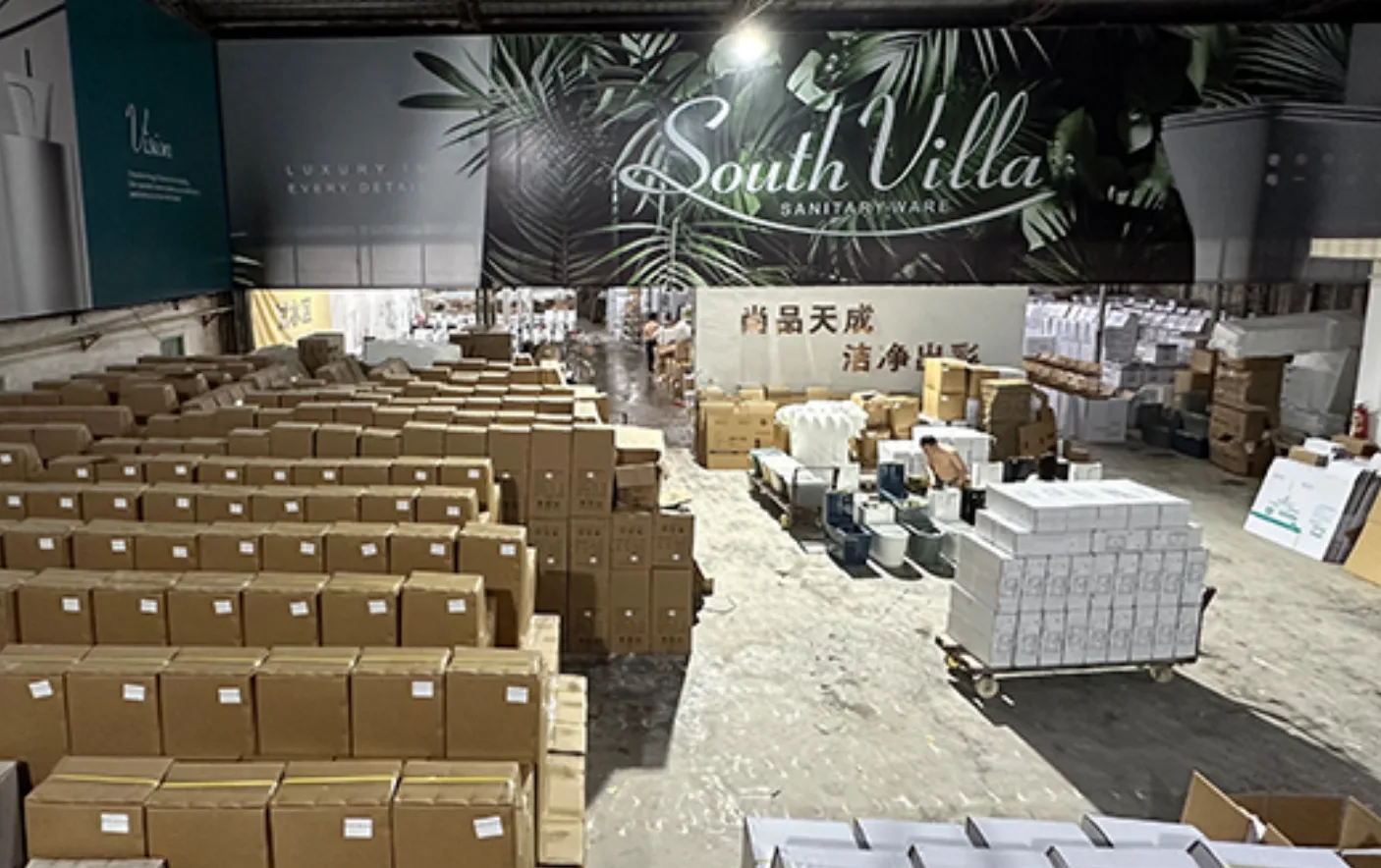
Ein echter Hersteller verfügt in der Regel über ein umfassendes Produktionssystem, wodurch er sich von reinen Handelsunternehmen unterscheidet. Zu den wichtigsten zu prüfenden Bereichen gehören:
- Werksgröße
- Anzahl der Mitarbeiter
- Automatisierungstechnik
- Anzahl der Öfen
- Monatliche Produktionskapazität
- Produktkategorien
- Erfahrung im Bereich OEM/ODM
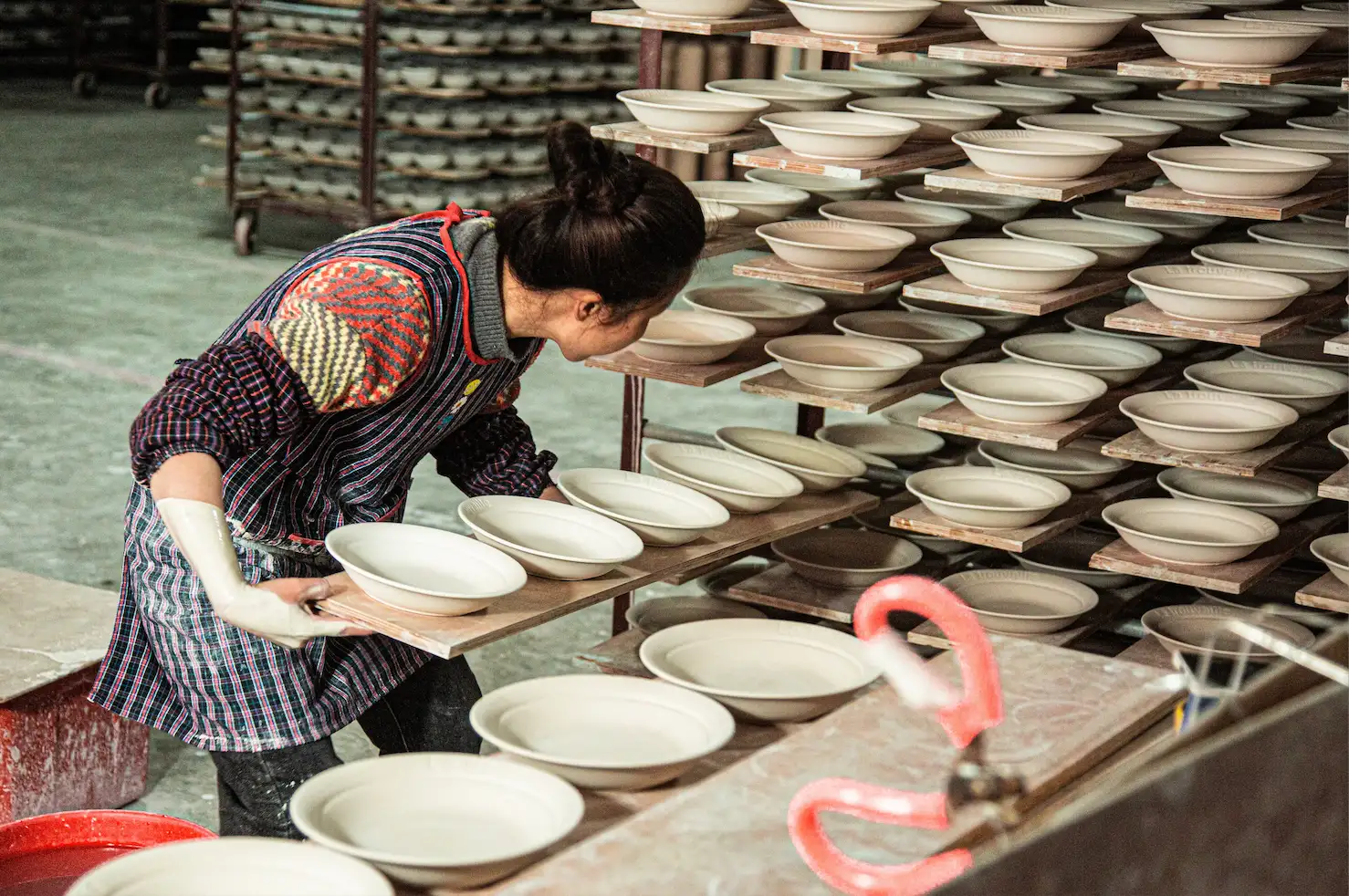
Beispielsweise bei der Auswertung von Lieferanten von Keramikgeschirr, konzentrieren Sie sich auf:
- Druckguss
- Rollenkopf-Umformung
- Automatische Verglasung
- Hochtemperaturbrand
- Automatisierte Verpackungslinien
Für Lieferanten von Sanitärkeramik, konzentrieren Sie sich auf:
- Hochdruckgussanlagen
- Tunnelöfen
- Vakuumprüfung
- Regulierung der Wasseraufnahme
- Maßhaltigkeit
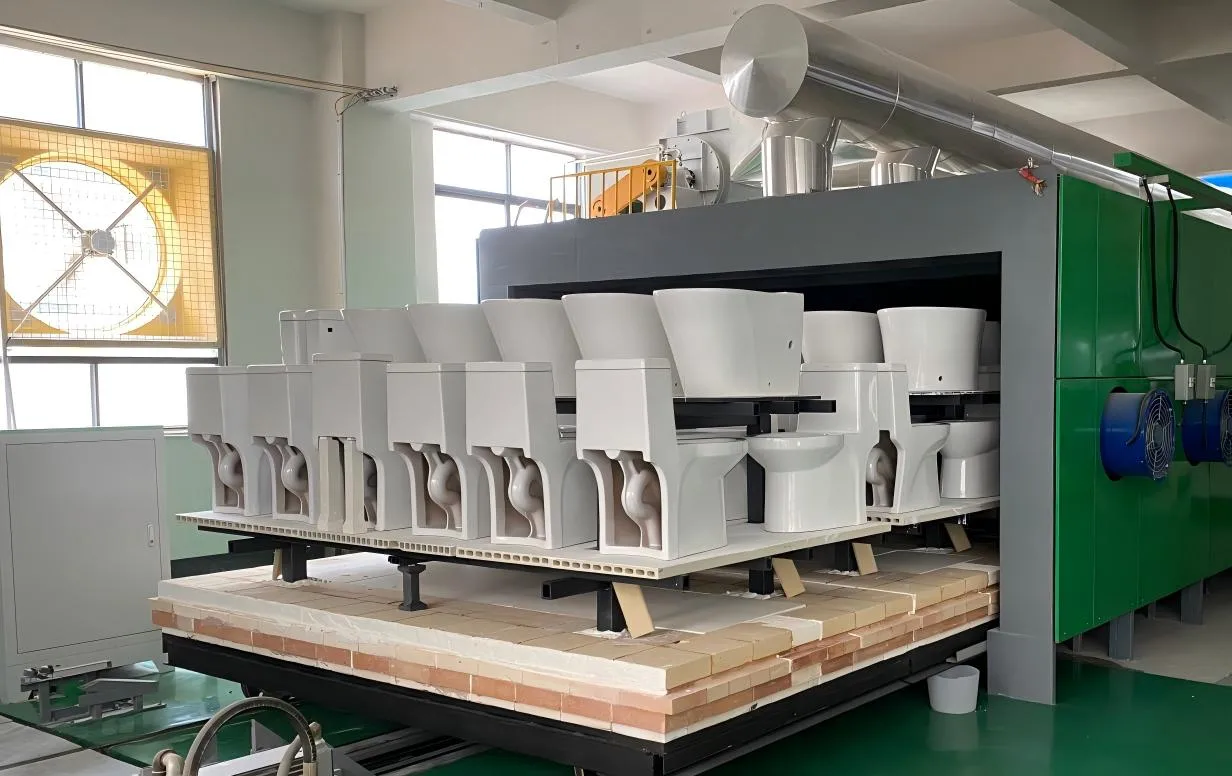
Ein robustes Produktionssystem gewährleistet eine zuverlässigere Lieferfähigkeit.
2. Gibt es ein umfassendes Qualitätssicherungssystem?
Die Qualitätskontrolle ist ein entscheidendes Kriterium für die Beurteilung der Professionalität eines Händler für Keramik.
Spitzenbetriebe verfügen in der Regel über einen umfassenden Qualitätskontrollprozess:
Rohstoffprüfung
Sicherstellen, dass Tonmassen und Glasuren den Standards entsprechen.
Prüfung von Halbfertigprodukten
Überprüfung auf Mängel wie Abweichungen bei den Abmessungen, Risse und Verformungen.
Fertigproduktprüfung
Darunter:
- Aussehen
- Abmessungen
- Farbkonsistenz
- Ebenheit
- Stärke
- Verpackung
Für den Export bestimmte Produkte erfordern häufig:
- Falltest
- Geschirrspüler-Test
- Mikrowellentest
- Blei- und Cadmiumtest
Ein solides Qualitätsmanagement verringert die mit Großeinkäufen verbundenen Risiken erheblich.
3. Verfügt der Lieferant über internationale Zertifizierungen?
Internationale Zertifizierungen belegen, dass das Werk die Anforderungen des globalen Marktes erfüllt.
Zu den gängigen Zertifizierungen gehören:
- ISO 9001
- BSCI
- Sedex
- FDA
- LFGB
- CE
- cUPC (Sanitärartikel)
- WaterMark (Australien)
- SASO
Die Anforderungen variieren je nach Land.
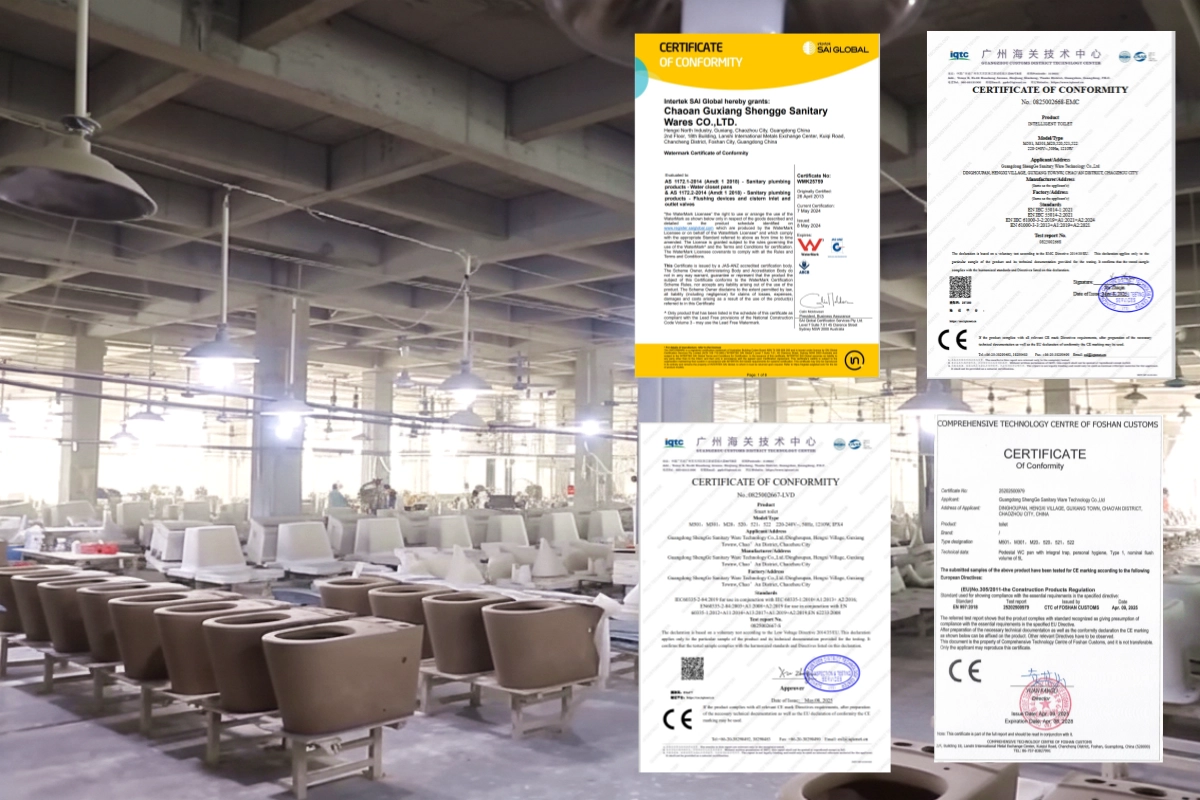
Zum Beispiel:
Auf den europäischen und amerikanischen Märkten hat die Sicherheit im Lebensmittelkontakt oberste Priorität.
Die Märkte im Nahen Osten legen größeren Wert auf die Einhaltung von Zertifizierungsvorschriften.
Große Einzelhandelsketten legen zunehmend Wert auf Audits zur sozialen Verantwortung.
A Händler für Keramik Ein Unternehmen, das über umfassende Zertifizierungen verfügt, birgt in der Regel ein geringeres Einkaufsrisiko.
4. Sind die Kapazitäten in der Produktentwicklung ausreichend?
Heutzutage geht es beim Einkauf um mehr als nur den Kauf von Produkten. Immer mehr Marken stellen folgende Anforderungen:
- Entwicklung neuer Produkte
- OEM-Dienstleistungen
- ODM-Dienstleistungen
- Anwendung mit individuellem Logo
- Verpackungsdesign
- Einblicke in Markttrends
Erstklassige Lieferanten zeichnen sich in der Regel durch folgende Merkmale aus:
- Entwicklungsteams
- Prototypenentwicklungszentren
- Kompetenzen im Bereich der Formenentwicklung
- Schnelle Probenherstellung
Dies gilt insbesondere für Lieferanten von Keramikgeschirr, die jedes Jahr zahlreiche neue Formen, Glasurfarben und Herstellungsverfahren auf den Markt bringen.
Die Fähigkeit zur Produktinnovation ist oft ausschlaggebend für die Wettbewerbsfähigkeit einer Marke.
5. Verfügen sie über eine stabile Lieferkette?
Eine reife Händler für Keramik stützt sich nicht nur auf die eigenen Produktionskapazitäten, sondern auch auf ein solides Lieferkettenmanagement.
Dazu gehören:
- Beschaffung von Rohstoffen
- Beschaffung von Zubehör
- Verpackungslieferanten
- Prüfung durch unabhängige Stellen
- Internationale Logistik
Eine stabile Lieferkette bedeutet:
- Schnellere Lieferung
- Stabilere Preisgestaltung
- Geringeres Risiko von Lieferengpässen
Dies ist insbesondere bei groß angelegten Beschaffungsprojekten von Bedeutung.
6. Ist ihre Kommunikation professionell und effizient?
Viele Fehlschläge im Beschaffungswesen sind eher auf Kommunikationsprobleme als auf Produktprobleme zurückzuführen.
Hervorragende Lieferanten zeichnen sich in der Regel durch folgende Stärken aus:
- Schnelle Antworten per E-Mail
- Erstellung umfassender Angebote
- Regelmäßige Aktualisierung des Produktionsfortschritts
- Professionelle Beratung anbieten
- Probleme schnell lösen
Die Effizienz der Kommunikation während des Beschaffungsprozesses wirkt sich oft direkt auf die Liefertermine aus.
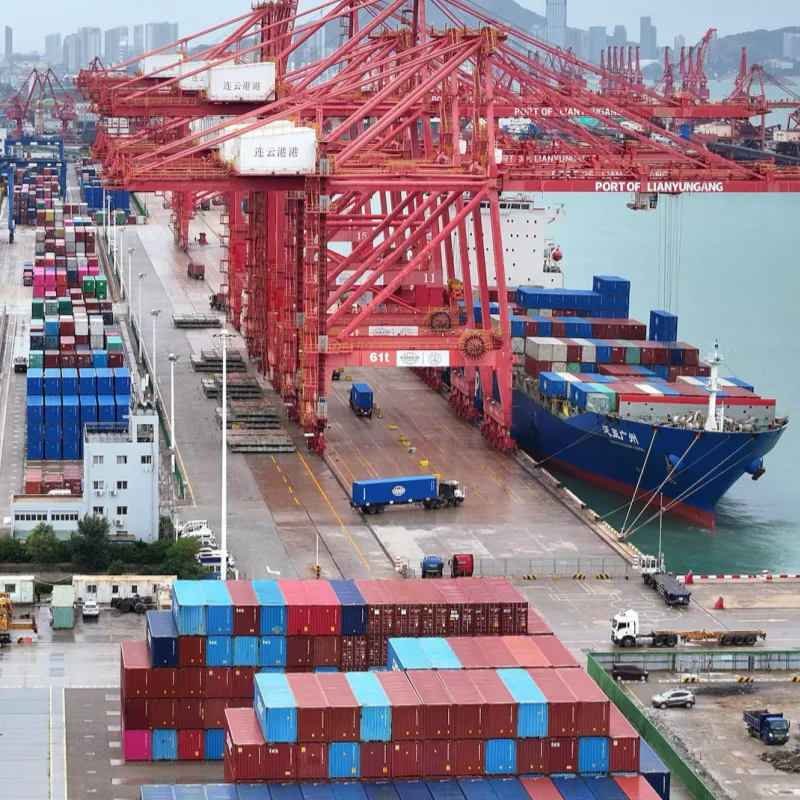
7. Verfügen sie über umfangreiche Erfahrung im Exportbereich?
Umfangreiche Exporterfahrung lässt darauf schließen, dass der Lieferant über fundierte Kenntnisse der internationalen Märkte verfügt.
Zum Beispiel:
- Verpackungsvorschriften für verschiedene Länder
- Kennzeichnungsvorschriften
- Container-Beladungspläne
- Zollabfertigungsunterlagen
- Internationaler Versand
Für Lieferanten von Sanitärkeramik, außerdem ist die Kenntnis der Installationsnormen und Zertifizierungsanforderungen in verschiedenen Ländern unerlässlich.
Umfangreiche Erfahrung im Exportgeschäft hilft Käufern dabei, viele versteckte Risiken zu minimieren.
Vor- und Nachteile: Beschaffung aus Industrieclustern im Vergleich zu einzelnen Fabriken
| Modell | Profis | Nachteile |
|---|---|---|
| Beschaffung im Industriecluster | Große Produktvielfalt; Möglichkeit, mehrere Hersteller zu vergleichen; wettbewerbsfähige Preise; hohe Beschaffungseffizienz; einfachere Suche nach spezialisierten Lieferanten | Erfordert eine Vorauswahl, um qualitativ hochwertige Unternehmen zu identifizieren |
| Beschaffung aus einer einzigen Fabrik | Vereinfachte Kommunikationswege; geeignet für langfristige Partnerschaften; stabile Produktionsprozesse | Begrenzte Produktauswahl; schwierige Abdeckung mehrerer Kategorien; geringere Flexibilität in der Lieferkette |
Für Käufer aus dem Ausland, die Produkte aus verschiedenen Kategorien (wie beispielsweise Geschirr, Sanitärartikel und Dekorationskeramik) beschaffen, führt die Nutzung etablierter Industriecluster in der Regel zu einer höheren Beschaffungseffizienz und einer größeren Auswahl.
Ein hochwertiger Keramiklieferant sollte über stabile Produktionskapazitäten, strenge Qualitätskontrollen, internationale Zertifizierungen, OEM-/ODM-Kompetenzen, eine effiziente Kommunikation sowie eine zuverlässige weltweite Lieferung verfügen. Die Auswahl eines Lieferanten auf der Grundlage des langfristigen Nutzens und nicht allein aufgrund des Preises trägt dazu bei, Beschaffungsrisiken zu verringern und die Produktkonsistenz zu verbessern.
Dies sind auch die Kernkriterien, die internationale Einkäufer bei der Bewertung von Lieferanten zunehmend heranziehen.
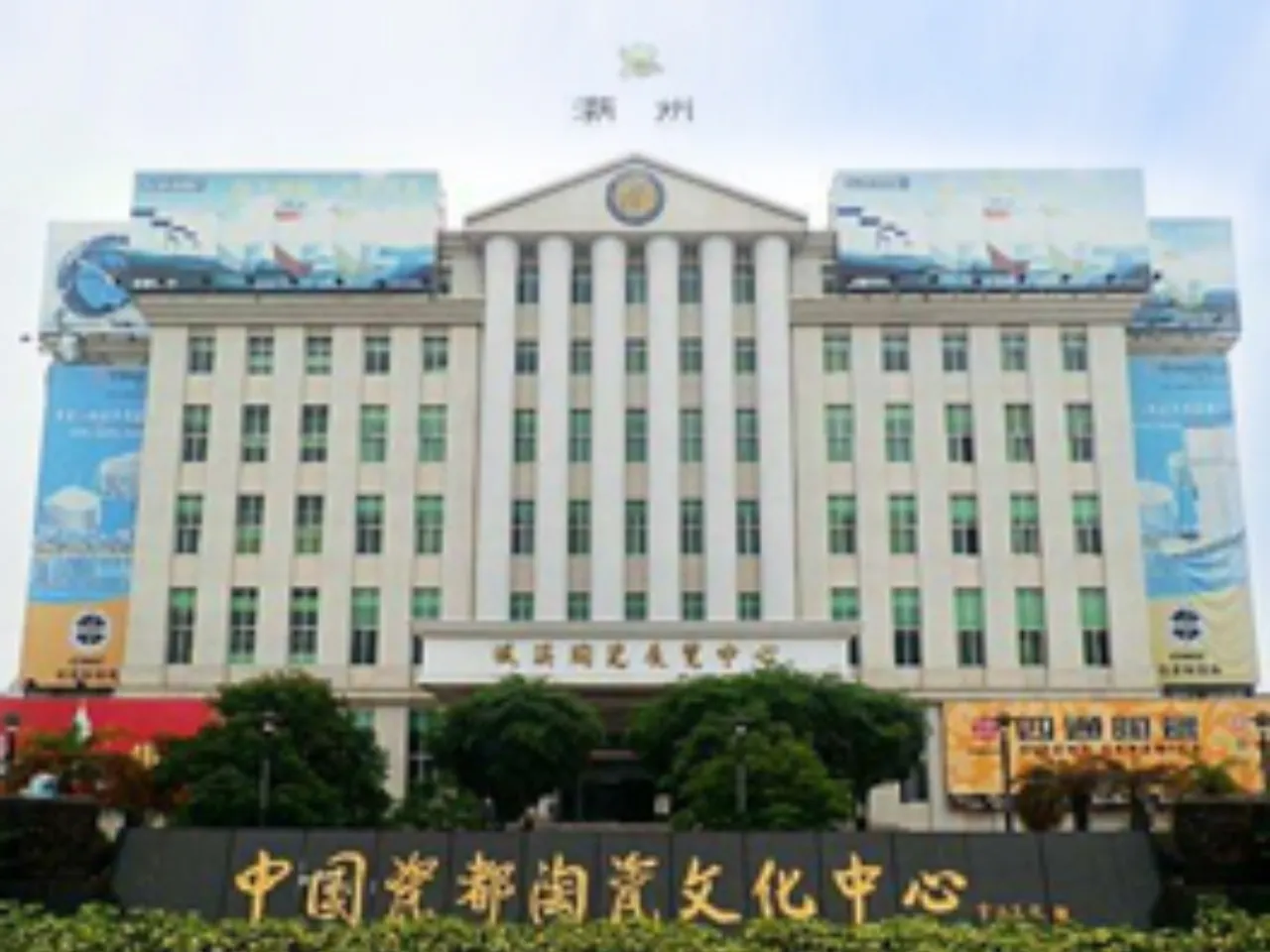
Warum entscheiden sich immer mehr Käufer aus dem Ausland für Chaozhou?
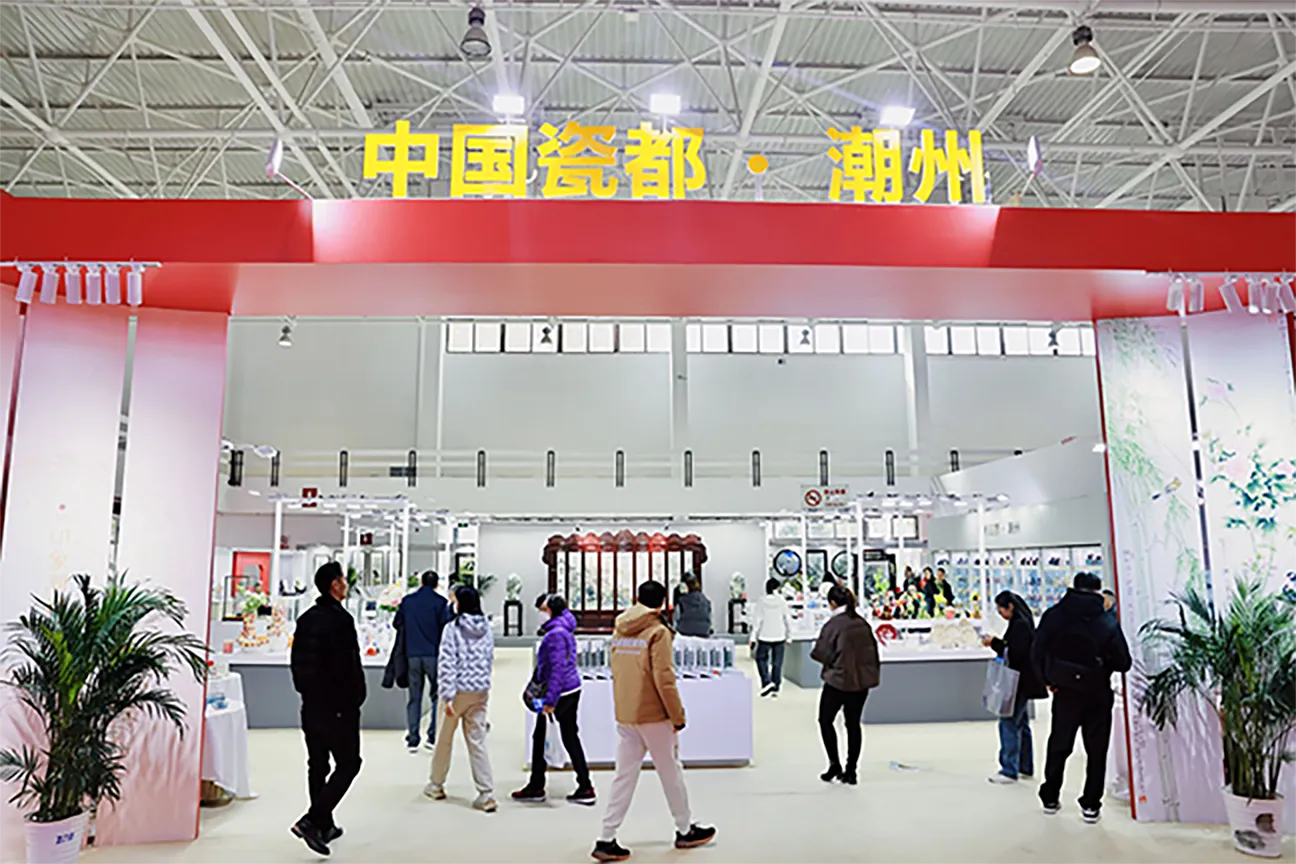
Chaozhou ist eines der wichtigsten Zentren der chinesischen Keramikindustrie und verfügt über ein umfassendes industrielles Ökosystem sowie ein ausgereiftes Fertigungssystem, das folgende Bereiche abdeckt:
- Haushaltskeramik94 Produkte
- Keramik-Geschirr57 Produkte
- Keramik-Küchengeschirr29 Produkte
- Teeservice aus Keramik24 Produkte
- Badezimmer-Keramik75 Produkte
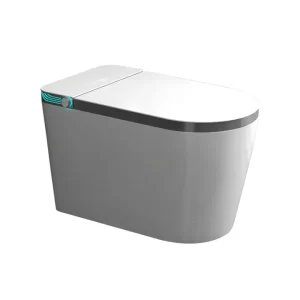
- Keramische Toilette16 Produkte
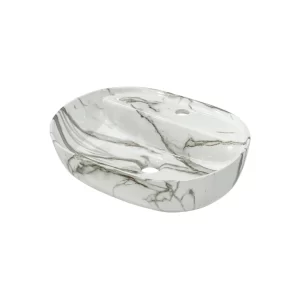
- Keramik-Becken27 Produkte
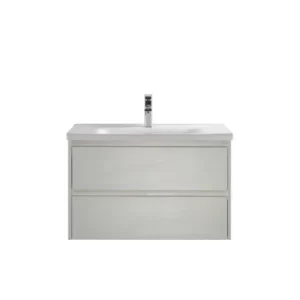
- Badezimmer-Eitelkeit11 Produkte
- Badezimmerspiegel1 Produkt
- Keramik-Badezimmer-Set19 Produkte
- Keramische Maschinen16 Produkte
- Keramische Maschinen16 Produkte
- Dekorative Keramiken44 Produkte
- Keramisches Ornament18 Produkte
- Keramische Vasen22 Produkte
- Keramik-Kerzenständer16 Produkte
In der Region gibt es eine Vielzahl von spezialisierten Lieferanten von Keramikgeschirr und Lieferanten von Sanitärkeramik, wodurch eine integrierte Lieferkette entsteht, die von den Rohstoffen über die Formenentwicklung und die Fertigung bis hin zur Verpackung, Prüfung und Logistik reicht. Für internationale Einkäufer bedeutet dies, dass sie mehrere Produktkategorien innerhalb eines einzigen Clusters beschaffen können, wodurch Kommunikationskosten gesenkt, die Beschaffungseffizienz gesteigert und wettbewerbsfähigere Preise sowie zuverlässige Lieferkapazitäten gesichert werden.
Als das von der Vereinigung der Keramikhersteller von Chaozhou (Provinz Guangdong) eingerichtete Branchenportal ist das Verband der Keramikhersteller in Chaozhou vereint eine Vielzahl geprüfter, hochwertiger Keramikhersteller und bietet globalen Einkäufern einen äußerst effizienten Kanal, um zuverlässige Keramiklieferanten. Ganz gleich, ob Sie Geschirr, Backformen, Küchenkeramik, Badkeramik oder Dekorationskeramik beschaffen möchten – Sie profitieren von professionellen Herstellerempfehlungen, maßgeschneiderten Lösungen, schnellen Angeboten, strenger Qualitätskontrolle und weltweiter logistischer Unterstützung. So wird der Beschaffungsprozess zeitsparender, stressfreier und kostengünstiger.







FAQ
Frage 1: Woran kann ich erkennen, ob es sich bei einem Keramiklieferanten um einen Hersteller oder ein Handelsunternehmen handelt?
Sie können sich Fotos der Fabrik, Produktionsanlagen, Produktionsvideos, Zertifizierungen, Berichte über Werksaudits ansehen und prüfen, ob Werksbesichtigungen möglich sind. Seriöse Hersteller verfügen in der Regel über komplette Produktionslinien und können detaillierte Informationen zu ihren Produktionsprozessen und Kapazitäten bereitstellen.
Frage 2: Ist der niedrigste Preis bei der Auswahl eines Keramiklieferanten immer die beste Wahl?
Nein. Übermäßig niedrige Preise können auf Mängel bei den Rohstoffen, der Verarbeitung oder der Qualitätskontrolle hindeuten. Es empfiehlt sich, Faktoren wie Produktqualität, Zertifizierungen, Lieferfähigkeit, Kundendienst und den Wert einer langfristigen Partnerschaft zu berücksichtigen, anstatt sich ausschließlich auf den Stückpreis zu konzentrieren.
Frage 3: Welche wesentlichen Aspekte sollten bei der Auswahl von Lieferanten für Keramikgeschirr berücksichtigt werden?
Der Schwerpunkt liegt auf Zertifizierungen im Bereich Lebensmittelsicherheit, Glasurqualität, automatisierten Produktionskapazitäten, Sicherheitstests für Geschirrspüler und Mikrowellen, Erfahrung im Bereich OEM/ODM sowie einer nachweisbaren Erfolgsbilanz beim Export in europäische und amerikanische Märkte.
Frage 4: Was sind die wichtigsten Kompetenzen für Anbieter von Sanitärkeramik?
Legen Sie besonderen Wert auf die Bewertung der Hochdruckgusstechnologie, der Brennverfahren, der Wasseraufnahme, der Maßgenauigkeit, der Dichtheitsprüfung sowie des Vorhandenseins internationaler Zertifizierungen wie CUPC und WaterMark.
Frage 5: Warum sollte man sich für einen Keramiklieferanten aus Chaozhou entscheiden?
Chaozhou verfügt über eine lückenlose Wertschöpfungskette in der Keramikindustrie, umfangreiche Erfahrung in der Fertigung und ein ausgereiftes Exportsystem. Die Stadt bietet Dienstleistungen aus einer Hand – von der Produktentwicklung über die Serienfertigung bis hin zur Qualitätskontrolle und internationalen Logistik – und ist damit ein wichtiger Produktionsstandort für globale Einkäufer, die auf der Suche nach Lieferanten für hochwertige Keramikprodukte sind.